What is Anime? Complete Guide to Japanese Animation Explained
Have you ever wondered why anime captures hearts all around the world? From thrilling adventures to heartfelt stories, anime is more than just cartoons — it’s a rich cultural experience. What is anime, exactly, and why has it become such a global phenomenon?
Originating in Japan, anime is a unique style of animation that blends striking visuals, intricate storytelling, and compelling anime characters. It spans multiple anime genres, from action-packed shonen to emotional romance, catering to audiences of all ages. Understanding anime culture and its influence can open a whole new world of entertainment and creativity.
Whether you’re curious about what is anime in Japan, how anime differs from cartoons (anime vs cartoon), or exploring anime series and anime movies, diving into this art form offers endless fascination. From anime studios that craft masterpieces to anime shows for beginners, the universe of anime is vast, vibrant, and endlessly engaging.
What is Anime?
Anime is a style of Japanese animation that has captured the hearts of fans worldwide. Unlike regular cartoons, anime combines detailed visuals, storytelling, and unique character designs to create immersive experiences. What is anime in Japan? In Japan, anime refers to all animated works, including TV shows, movies, and online series, reflecting a wide range of genres and audiences.
Anime includes anime series and anime movies that appeal to children and adults alike. Its focus on deep storytelling, complex characters, and rich worlds distinguishes it from typical Western cartoons. Fans often explore anime culture in Japan to understand the origin and influences behind their favorite shows.
The Art Style and Unique Features of Anime
- Anime art style is known for exaggerated expressions, vibrant colors, and dramatic scenes that make the visuals stand out.
- What is anime style of animation? It blends hand-drawn and digital techniques used by famous anime studios like Toei and Madhouse.
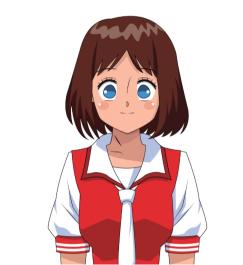
- Characters feature large expressive eyes, unique hairstyles, and distinctive outfits, reflecting personality and emotion.
- Anime animation techniques include detailed backgrounds, cinematic angles, and dynamic scene transitions.
- Many popular anime incorporate anime storytelling elements, exploring complex themes, emotions, and anime culture in Japan.
- This style creates an immersive experience that distinguishes anime from anime vs western cartoons.
History of Anime
The history of anime dates back to the early 20th century when Japanese filmmakers started experimenting with animation. Over decades, anime evolved from simple shorts to full-length anime movies and TV series.
Anime history is rich with innovation, from the classic manga vs anime adaptations to iconic series that shaped global fandom. Post-1960s, anime studios like Toei and Studio Ghibli popularized the art worldwide, inspiring not only fans but also creative trends like anime memes.
Anime genres explained, from action and romance to isekai and horror, show the versatility of this art form. Today, anime enjoys immense anime popularity across streaming sites, conventions, and fan communities worldwide.
The Evolution of Anime
Anime has evolved dramatically, blending traditional techniques with modern technology. From early hand-drawn frames to anime animation quality seen in today’s anime shows for beginners and advanced series, the evolution is remarkable.
What is anime genre? Anime spans many genres, including fantasy, sci-fi, slice-of-life, and romance, appealing to diverse audiences.
Modern anime explores global themes, storytelling innovations, and crossover with Western media. The influence of anime vs Western cartoons highlights the unique storytelling depth, character development, and anime culture integration. Fans continue to enjoy classics and new releases, keeping the art alive and expanding worldwide.
Popularity of Anime in the USA
Anime has gained massive popularity in the USA, attracting fans of all ages through TV, streaming sites, and conventions. The unique anime art style, engaging anime storytelling, and diverse anime genres explained have helped it capture the attention of viewers nationwide.
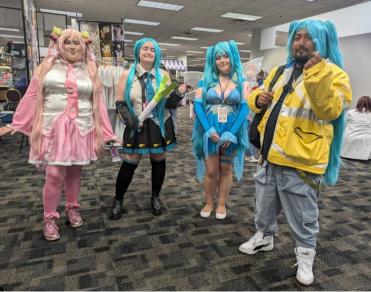
Popular anime series like Naruto, One Piece, and My Hero Academia have created large fan communities. The influence of anime culture in Japan is evident in cosplay, fan art, themed events, and fan conventions held across the country.
Do Adults Watch Anime?
- Yes! Anime is not just for kids; many shows target adult audiences with mature themes, deep storytelling, and complex characters.
- Genres like anime romance, thriller, and anime vs western cartoons comparisons appeal to older viewers.
- Streaming platforms and anime shows for beginners make it easy for adults to explore both classic and new series.
The Downsides of Anime
Some anime series can be addictive, leading to excessive screen time and affecting daily life. Watching too much anime movies or bingeing episodes may impact productivity and social interactions. Parents and fans should understand what anime culture is to balance entertainment with responsibilities.
Certain anime shows include violence, mature themes, or unrealistic depictions that might not suit all audiences. Understanding anime vs cartoon differences and being aware of anime animation quality can help viewers enjoy content safely and responsibly.
Where Can Anime Be Watched?
- Anime can be watched on popular anime streaming sites like Crunchyroll, Funimation, Netflix, and Amazon Prime.
- Many anime series and anime movies are also available with subtitles or dubbed versions for global audiences.
- Fans can explore niche platforms for genres explained, such as anime isekai, romance, or fantasy series.
Anime and Manga
Anime is a style of Japanese animation that brings stories from manga (Japanese comics) to life. Many anime series start as manga, keeping the original story intact while adding movement, color, and sound. Exploring both helps fans understand what is anime culture in Japan and appreciate the creativity behind their favorite characters.
While manga often dives deeper into the plot, anime adds action and emotion through anime art style and animation techniques. Together, they have shaped the popularity of anime around the world.
Difference Between Subbed and Dubbed Anime

Some fans prefer subbed anime, which keeps the original Japanese audio with subtitles. This allows viewers to enjoy authentic voice acting and cultural details, showcasing the anime style of animation used by top anime studios.
Others like dubbed anime for easier understanding in their own language. Streaming platforms provide both options, making it easy to watch anime series or anime movies without missing the story. Subbed or dubbed, anime offers unique storytelling compared to anime vs cartoon formats.
Top Anime Characters of All Time
- Fans love iconic anime characters like Naruto, Goku, Luffy, and Deku for their personalities, growth, and adventures.
- These characters appear in popular anime series, showcasing the rich history of anime and its global influence.
- Unique anime art style and anime storytelling make their designs, powers, and stories memorable worldwide.
- They appear in anime movies and long-running series, reflecting what is anime in Japan and inspiring new generations of fans.
FAQs
What is anime?
Anime is Japanese animation known for its distinctive anime art style, diverse anime genres, and engaging anime storytelling.
Is anime a cartoon?
While all anime are technically cartoons, in the West, anime vs cartoon highlights the unique style, detailed characters, and mature themes that set Japanese animation apart.
What is the difference between anime and manga?
Anime refers to animated works like anime series or anime movies, while manga are Japanese comics, often serving as the source for anime adaptations.
Where did anime originate?
Anime originated in Japan in the early 20th century, influenced by Western animation but evolving its own distinct anime style of animation.
What does “anime” mean in Japan?
In Japan, “anime” is short for “animation” and refers to all animated works, reflecting the country’s deep anime culture.
Who created anime?
There is no single creator. Early pioneers in the 1910s made short films, and anime studios, over time, developed the anime art style and techniques seen today.
Conclusion
What is anime? It is more than just Japanese animation — it is a cultural phenomenon that blends anime art style, creative anime storytelling, and diverse anime genres. From classic anime series to blockbuster anime movies, fans around the world enjoy the unique visuals, compelling characters, and immersive experiences that define this art form.
Understanding what anime is in Japan, exploring anime culture, and seeing the difference in anime vs cartoons helps viewers appreciate the artistry behind every frame. Whether watching anime shows for beginners, iconic series, or subbed and dubbed versions, the global appeal of anime continues to grow. With its rich history, innovative anime animation techniques, and iconic anime characters, anime remains a captivating form of entertainment that inspires generations and shapes pop culture worldwide.